5 Real Ways To Force An Aging HVAC System To Run More Efficiently
Dealing with an aging cooling system that struggles to keep up with the summer heat is a stressful reality for many local property owners. Miguel and the team at Meridian Air Conditioning & Heating LLC frequently help Chandler Heights residents who are tired of high utility bills caused by units that draw massive electrical power. Older equipment naturally loses capacity over time due to mechanical wear and tear. While replacing a failing system is eventually necessary, there are legitimate ways to squeeze more performance out of your existing setup.
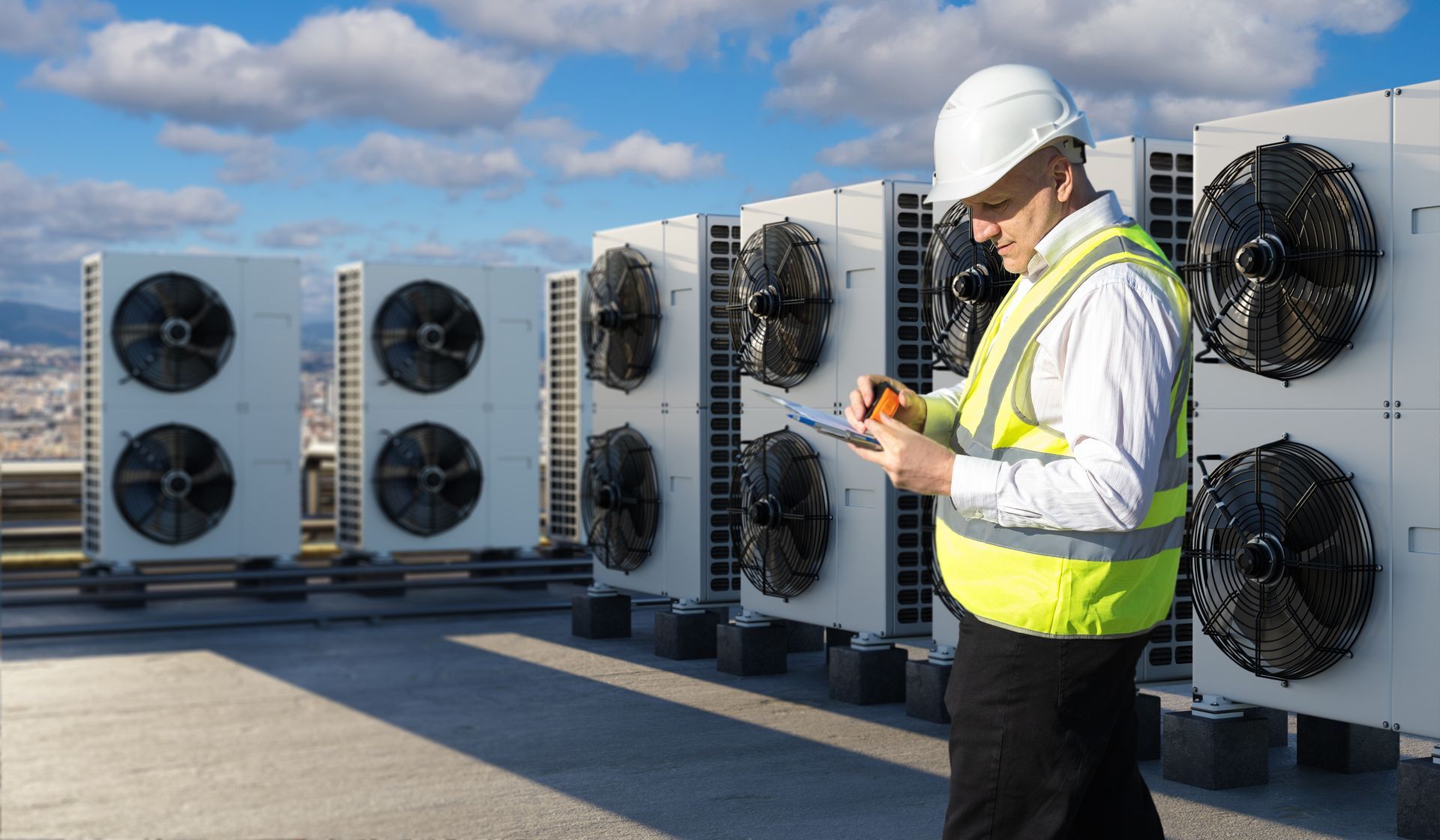
Maximizing the efficiency of older equipment requires moving beyond basic filter changes and addressing deeper mechanical friction. When an air conditioner is constantly fighting against dirty coils or restricted airflow, it consumes excess electricity just to maintain baseline operation. Relieving this physical strain lowers the operating temperature of the compressor and extends the remaining life of the machine. We want to share specific, trade proven methods to help your aging system run better before you are forced into a total replacement.
In This Article:
- Tip 1: Clear The Perimeter Around The Condenser
- Tip 2: Schedule A Chemical Coil Cleaning
- Tip 3: Seal Exposed Ductwork In The Attic
- Tip 4: Install A Hard Start Kit On The Compressor
- Tip 5: Adjust Your Thermostat Deadband Settings
- Frequently Asked Questions
- Extending The Life Of Your Equipment
Tip 1: Clear The Perimeter Around The Condenser
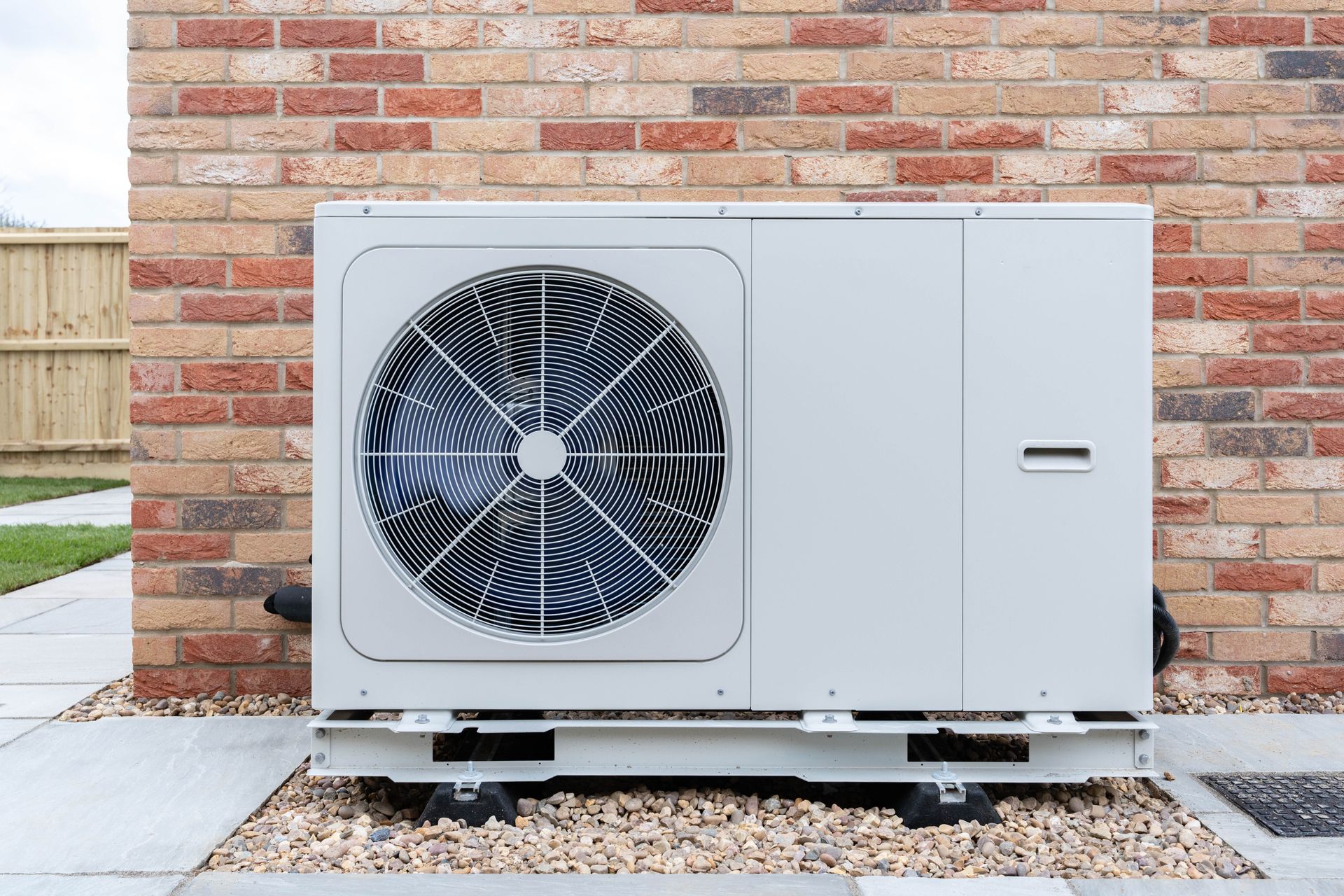
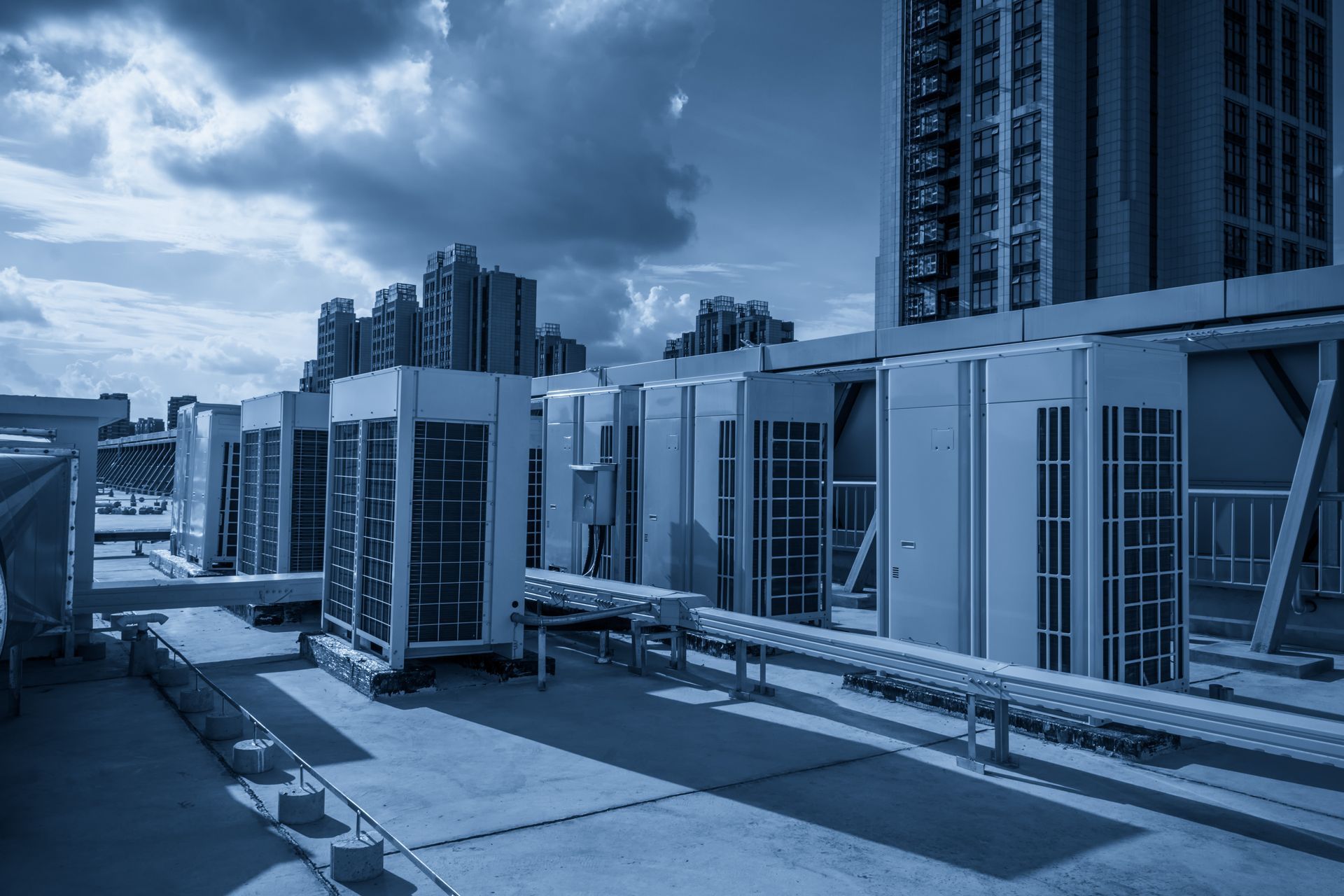
The outdoor unit needs massive amounts of unobstructed ambient air to dissipate the heat removed from your home. Choking this airflow forces the machine to run hotter and work much harder.
- Vegetation Removal: Trim back all bushes, tall grass, and hanging tree branches to maintain at least two feet of clear space around the metal cabinet.
- Debris Clearance: Rake away dead leaves and dirt that pile up against the base of the unit to prevent the lower fins from clogging.
- Shade Considerations: Ensure any custom built shade structures or fences are tall enough that they do not block the hot exhaust air blowing out of the top fan.
Tip 2: Schedule A Chemical Coil Cleaning
A thin layer of dirt on your evaporator or condenser coil acts as a thick blanket of insulation. This grime physically blocks the transfer of thermal energy, destroying the efficiency of an older unit.
- Professional Solvents: Technicians use trade specific foaming chemicals to push embedded dirt out from deep inside the aluminum fins without damaging the soft metal.
- Restoring Heat Transfer: Stripping away this hardened grime allows the refrigerant to absorb and reject heat at its original factory designed capacity.
- Lowering Head Pressure: A clean outdoor coil significantly reduces the internal operating pressure, which takes massive mechanical strain off the aging compressor.
It is a pattern the team at Meridian Air Conditioning & Heating LLC hears regularly when we help clients rescue struggling systems.
► Client Experience: This is the kind of company that you hope and pray you'll find. Like many of the other reviews here, Miguel and Armando stayed after dark to complete the installation of our mini-split. The installation looks great and functions perfectly. This is the last HVAC company that I will ever give my business to. Stop looking and give them a call today - you won't regret it. - Kevin Diggins
Dedication to proper diagnostics and honest service ensures your equipment is given the best chance to perform efficiently.
Tip 3: Seal Exposed Ductwork In The Attic
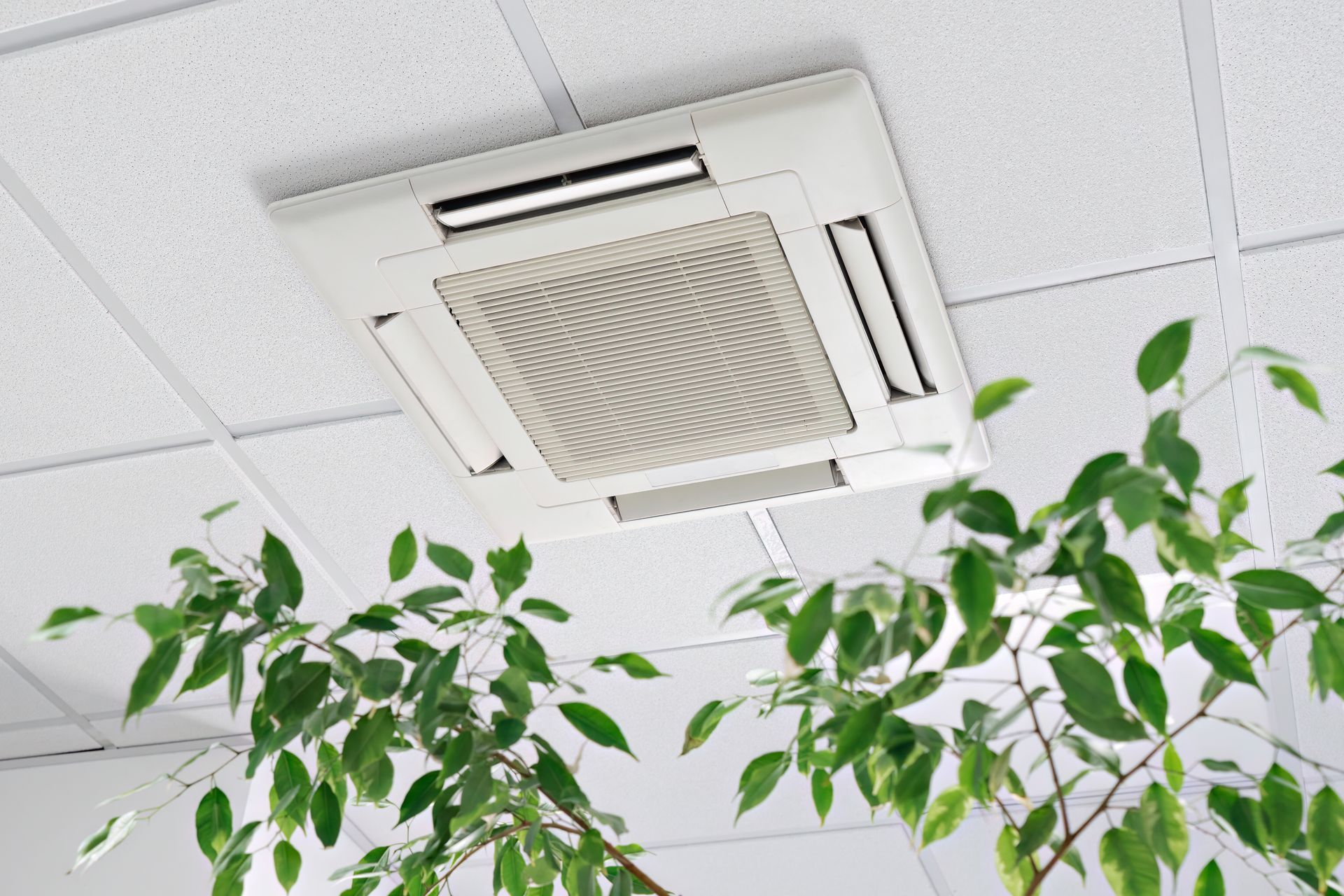
Your aging AC might be producing enough cold air, but leaking ductwork means you are paying to cool your attic instead of your living room.
- Mastic Application: Have a professional apply thick duct mastic to the collar connections to permanently seal air leaks that basic tape cannot hold.
- Insulation Checks: Ensure the outer silver jacket of the flex duct is intact, as torn insulation allows the cold air inside to warm up rapidly.
- Pressure Relief: Sealing leaks ensures the proper volume of air actually reaches the vents, allowing the system to satisfy the thermostat much faster.
Tip 4: Install A Hard Start Kit On The Compressor
As a compressor ages, its internal motor bearings wear down, requiring a massive surge of electricity just to start turning during each cooling cycle.
- Capacitance Boost: A hard start kit acts as a dedicated battery that delivers a rapid jolt of power specifically to start the heavy compressor motor.
- Reducing Electrical Heat: Shortening the startup time prevents the internal motor windings from overheating, which is the leading cause of sudden electrical failure.
- Dimming Lights Fix: If the lights in your house dim every time the AC turns on, this trade specific upgrade solves the excessive power draw immediately.
Tip 5: Adjust Your Thermostat Deadband Settings
Micro managing your thermostat by turning it down constantly causes an older unit to short cycle.
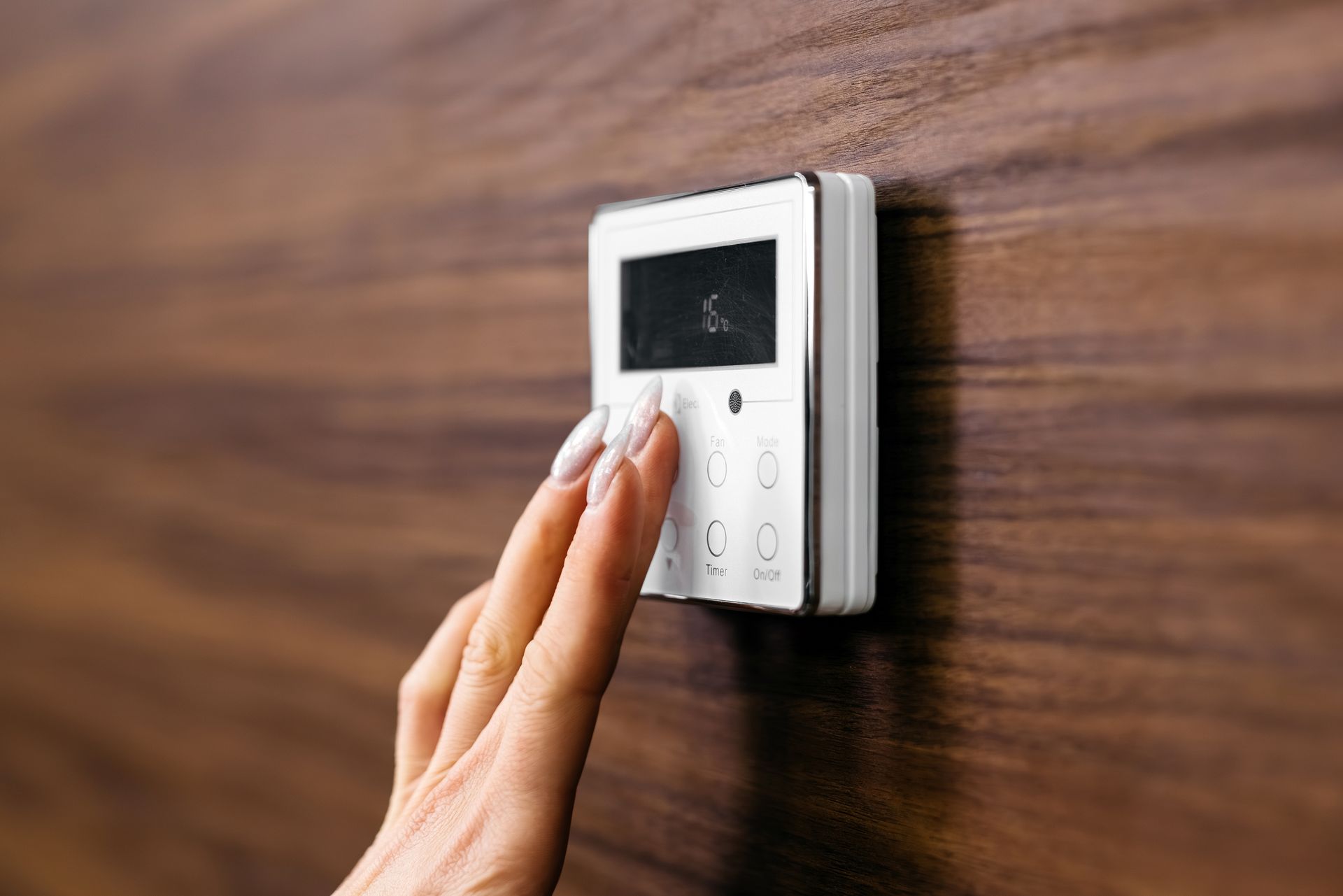
- Widen The Range: Adjust the temperature differential setting so the unit runs for longer, steadier cycles instead of turning on and off every ten minutes.
- Fan Settings: Keep the fan switch set to auto rather than on to prevent the blower motor from re-evaporating moisture back into the home.
- Consistent Demands: Stop drastically changing the temperature when leaving the house, as an older unit struggles heavily to catch back up during the afternoon heat.
Frequently Asked Questions
Does cleaning AC coils lower energy usage?
Yes, dirty coils force the compressor to run up to thirty percent longer to achieve the same cooling results. The dirt acts as an insulating barrier that prevents the refrigerant from absorbing heat from your indoor air. Having a professional chemically wash the metal fins immediately restores heat transfer capability, which directly translates to shorter run times and lower monthly electrical bills.
Should I replace my 15-year-old AC to save money?
If a fifteen year old unit requires an expensive compressor replacement or a major refrigerant leak repair, putting that money toward a new system is financially wise. Units of that age use obsolete R 22 refrigerant and operate at a much lower efficiency standard than modern equipment. However, if the old system only needs basic maintenance and a capacitor, keeping it running while planning a future replacement is often the smartest approach.
How does dirty ductwork affect HVAC efficiency?
Air flow is the lifeblood of any heating and cooling system. When ductwork is severely clogged with dust or crushed by attic debris, the blower motor must work twice as hard to push air through the restriction. This heavy back pressure causes the internal components to overheat and forces the system to run constantly without actually cooling the rooms properly.
Extending The Life Of Your Equipment
Forcing an aging system to work against dirty coils and electrical strain guarantees high utility bills and premature mechanical failure. Implementing these direct maintenance strategies removes the heavy burdens that slow down older equipment. Treating your air conditioner with professional care allows you to delay a major replacement while keeping your home perfectly comfortable. Reach out to our maintenance experts today to schedule a thorough cleaning and evaluation of your older mechanical systems.