The Mechanical Reason Your Heat Pump Blows Cold Air On Chilly Mornings
Finding cold air coming from your vents on a chilly morning causes immediate frustration for many homeowners. Property owners instantly assume their heating equipment is broken and requires an expensive repair visit. Miguel and the team at Meridian Air Conditioning & Heating LLC spend a lot of time explaining a completely normal mechanical process that mimics a system failure. Your equipment is likely performing a vital self preservation cycle to protect the outdoor compressor.
Heat pumps operate differently than traditional gas furnaces because they extract existing heat from the outside air. When the outdoor temperature drops to a certain point in Ahwatukee Foothills Village, the physics of this heat transfer create a unique side effect on the metal coils. If you are dealing with a heat pump blowing cold air in the morning, the unit is usually just taking care of itself. We want to break down exactly what is happening inside your system and when you actually need to call a professional.
In this article, you will learn about:
- How Outdoor Coils Extract Ambient Heat
- Why is my heat pump blowing cold air in the morning?
- The Role Of Auxiliary Heating Strips
- Frequently Asked Questions
How Outdoor Coils Extract Ambient Heat
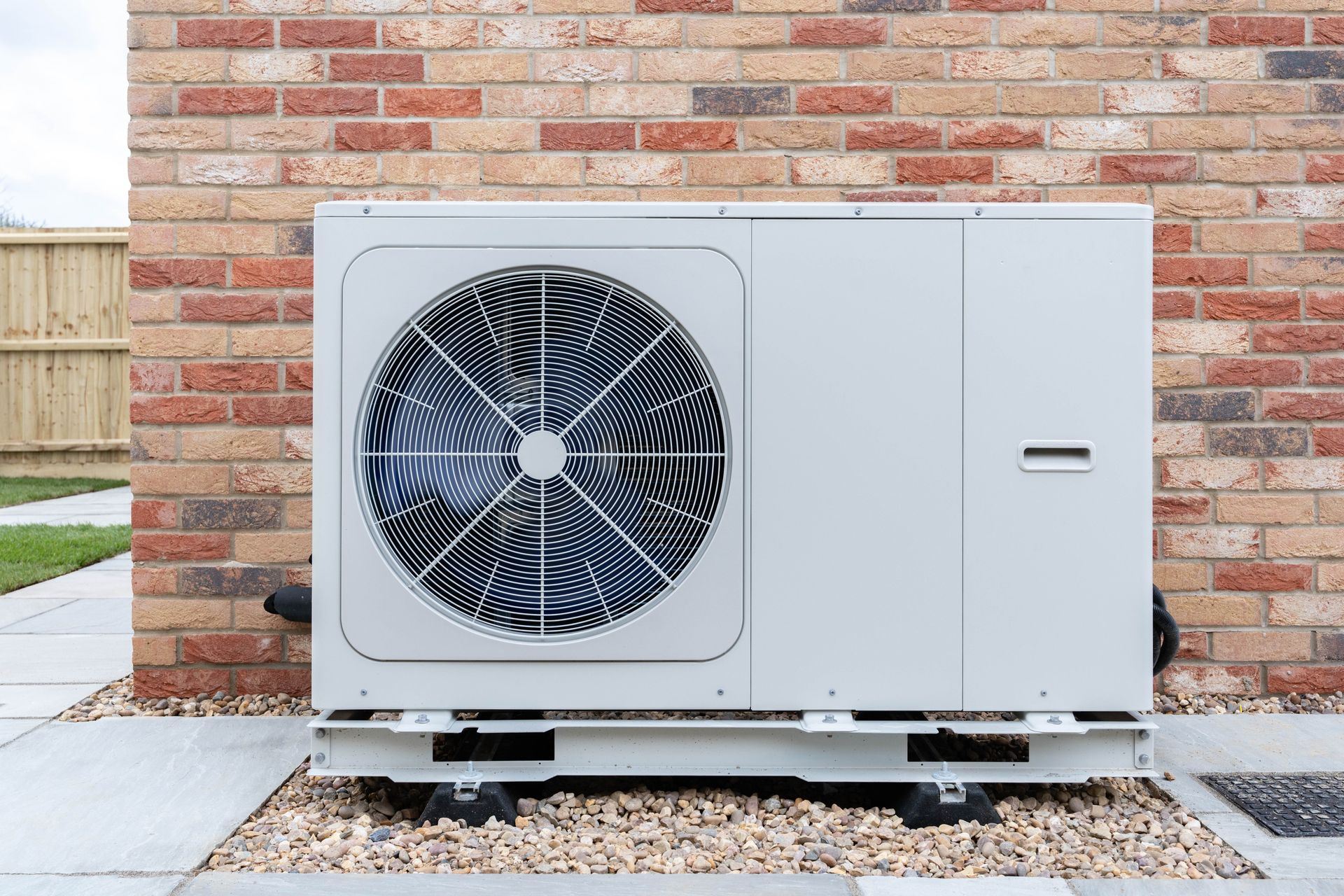
To understand why your system occasionally blows cold air, you have to understand how it produces warmth in the first place. A heat pump contains a specialized component called a reversing valve that changes the flow of chemical refrigerant. During the winter, the extremely cold refrigerant absorbs whatever ambient heat exists in the outdoor air and carries it inside to warm your house.
This process involves dropping the temperature of the outdoor coil well below the actual outside air temperature. When the cold metal coil interacts with the natural humidity in the winter air, condensation forms instantly. Because the coil is freezing cold, that condensation turns directly into a thick layer of frost or solid ice.
Why is my heat pump blowing cold air in the morning?
Your heat pump is blowing cold air in the morning because it has temporarily reversed its operation to melt a thick layer of ice off the outdoor coil. This automated mechanical process is called a defrost cycle. To melt the ice outside, the system temporarily shifts back into air conditioning mode. It pulls warm air from inside your house, sends it outside to thaw the frozen metal fins, and consequently blows the resulting chilled air back through your indoor vents.
The Role Of Auxiliary Heating Strips
Manufacturers understand that blowing cold air into a house during the winter is uncomfortable for the occupants. To counteract this chill during a defrost cycle, your system utilizes secondary electrical heat strips located inside the indoor air handler. These metal coils glow red hot to warm up the cold air before it reaches your living room.
Sometimes these backup heat strips fail to ignite due to a blown fuse or a faulty sequencer relay. When the auxiliary heat fails, you feel the full blast of the cold air conditioning cycle while the outdoor unit thaws itself. If you notice a freezing draft lasting longer than fifteen minutes, your backup heating elements likely require professional repair and maintenance.
Frequently Asked Questions
How often should a heat pump go into defrost mode?
A healthy system will only enter a defrost cycle when internal sensors detect a specific buildup of ice restricting outdoor airflow. During extremely damp and cold mornings, this might happen every sixty to ninety minutes. If the unit is defrosting constantly on a dry afternoon, a sensor is likely failing and misreading the coil temperature.
Should I see steam coming from the outdoor unit?
Yes, seeing a plume of white steam rising from the outdoor cabinet during a cold morning is completely normal. As the hot refrigerant rushes outside to melt the ice, the solid frost flashes directly into water vapor. Many homeowners mistake this harmless steam for electrical smoke and panic unnecessarily.
Can I pour hot water on the outdoor unit to melt the ice?
You should never pour hot water over a frozen outdoor unit. The drastic and sudden change in temperature can crack the pressurized copper tubing or damage the fragile aluminum fins. Allow the mechanical defrost cycle to handle the ice naturally to protect the internal components.
Trusting Your Heating Equipment To Do Its Job
Understanding the mechanical realities of a defrost cycle saves you from unnecessary worry on cold mornings. Your equipment is designed to protect itself from solid ice buildup to ensure it can keep your home warm for years to come. Recognizing the difference between a normal cycle and a broken auxiliary heater helps you make smart service decisions.
Contact our technicians if your system constantly blows cold air so we can verify your backup heating strips are working properly.