What Mesa Business Owners Must Know Before Replacing Rooftop HVAC
Managing commercial property expenses means making difficult decisions about aging mechanical equipment. Deciding what Mesa business owners must know before replacing rooftop HVAC systems is critical for protecting the bottom line. Miguel and the team at Meridian Air Conditioning & Heating LLC handle complex commercial installations across Anthem, helping facility managers avoid costly mistakes. A commercial package unit is a massive investment that impacts tenant comfort, energy bills, and overall building operations for decades.
Rushing into an installation without verifying the contractor methods often leads to poorly sized equipment and voided warranties. The commercial market is filled with companies offering fast changeouts that fail to address underlying structural or ductwork issues. Approaching the project with clear trade knowledge allows you to spot inadequate proposals and choose a partner focused on long term reliability. We want to provide you with a practical guide to evaluating bids and preparing your property for a major mechanical upgrade.
What We Cover:
- Understanding Your Commercial Equipment Lifespan
- What is the life expectancy of a commercial rooftop HVAC unit?
- Questions You Must Ask Before Hiring A Contractor
- Red Flags To Watch For When Evaluating Providers
Understanding Your Commercial Equipment Lifespan
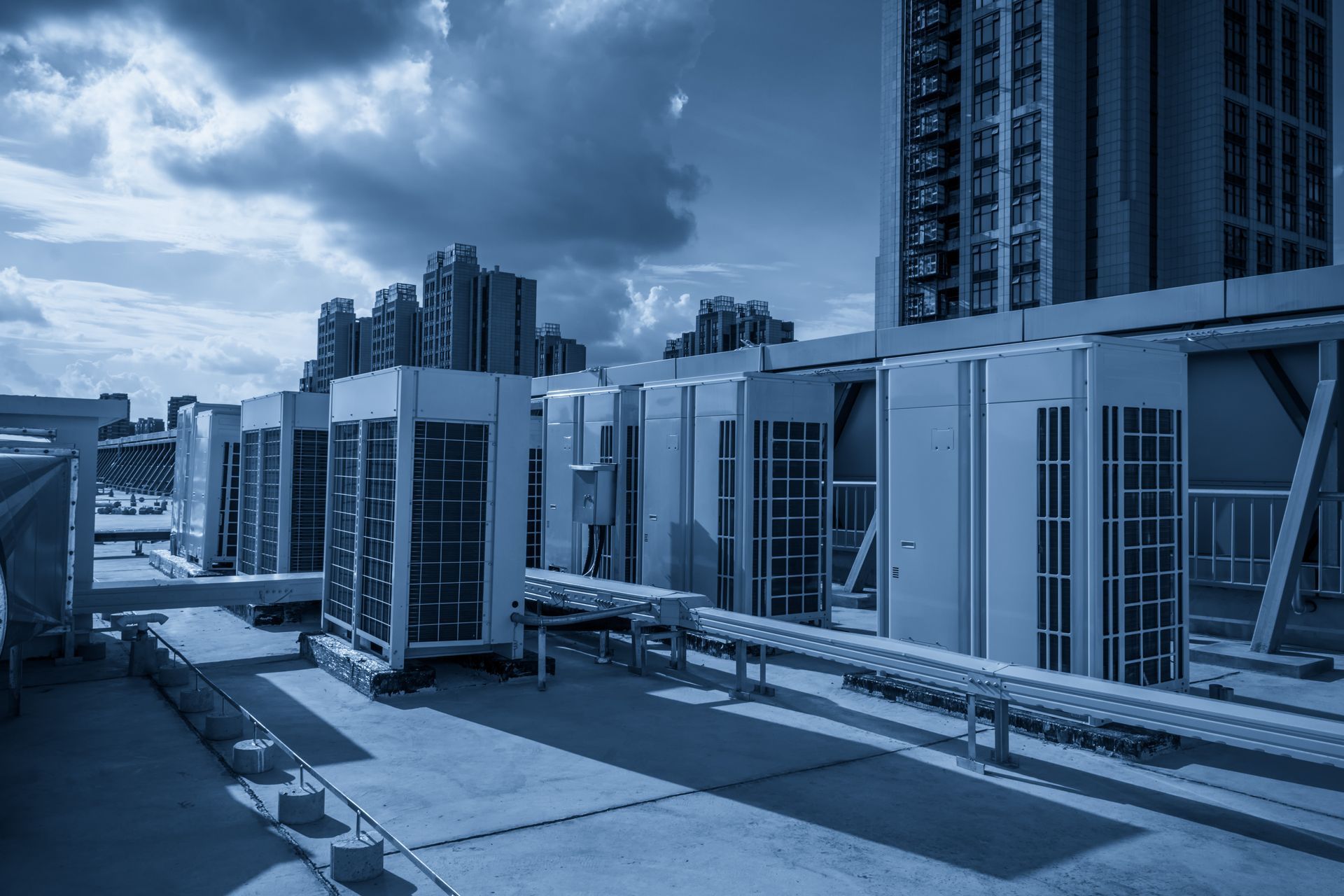
Knowing when to repair versus when to replace a commercial unit requires analyzing the total cost of ownership over the lifespan of the asset. Throwing money at constant repairs for a failing compressor is often far more expensive than financing a new, energy efficient model. You must look at how hard the system has to work just to maintain basic airflow requirements inside your commercial building.
- Refrigerant Phase Outs: Older units use outdated R 22 refrigerant which is extremely expensive and difficult to source legally due to environmental regulations.
- Efficiency Drops: Aging systems consume far more electricity to produce the same cooling output as modern variable speed equipment, spiking your monthly overhead.
- Structural Integrity: Heavy rust and corrosion on the metal cabinet eventually lead to structural failure, panel degradation, and severe roof leaks during winter storms.
What is the life expectancy of a commercial rooftop HVAC unit?
The life expectancy of a commercial rooftop HVAC unit is typically between fifteen and twenty years when maintained correctly by certified technicians. However, severe seasonal heat and neglected belt maintenance can drastically shorten that timeline by stressing the blower motor and compressor. Units located near heavy exhaust vents or industrial fallout also degrade much faster than units in clean environments due to chemical exposure. Partnering with a skilled technician for regular commercial HVAC repair extends this lifespan significantly by catching minor mechanical friction early.
Questions You Must Ask Before Hiring A Contractor
Treat the consultation process like an interview to ensure the company possesses the specific commercial expertise your property requires. Asking the right technical questions prevents you from hiring a residential technician who lacks experience with heavy industrial systems and commercial electrical grids.
- Load Calculations: Ask if they will perform an updated load calculation or if they are simply quoting a replacement unit identical to the broken one without verifying building modifications.
- Crane Coordination: Ask how they handle street closures, crane permits, and safety protocols during the actual lifting process to protect your business from liability.
- Custom Curb Adapters: Ask if they inspect the roof curb for structural integrity and proper sealing before setting the new equipment down on the roof deck.
Red Flags To Watch For When Evaluating Providers
The commercial heating and cooling industry has specific technical standards that protect property owners from liability and shoddy workmanship. Recognizing the warning signs of a bad proposal saves your business from dealing with unreliable temperature control and constant operational breakdowns.
- Vague Warranties: Avoid any contractor who refuses to provide written manufacturer warranty details and exact labor coverage terms before work begins.
- No Safety Plan: A company that does not mention OSHA compliance, fall protection, or roof safety procedures is a massive liability to your enterprise.
- Ignoring Ductwork: Contractors who do not inspect the return and supply plenums for massive air leaks are cutting corners simply to lower their bid artificially.
Making A Confident Mechanical Investment
Replacing a massive rooftop system is an opportunity to drastically lower your monthly operating costs and improve building ventilation. Knowing what to ask and what to look for puts you in control of the bidding process and protects your commercial property investment. A carefully planned installation ensures reliable performance and keeps your tenants comfortable regardless of the outside temperature. Call our commercial experts today to schedule a thorough assessment of your aging rooftop equipment.